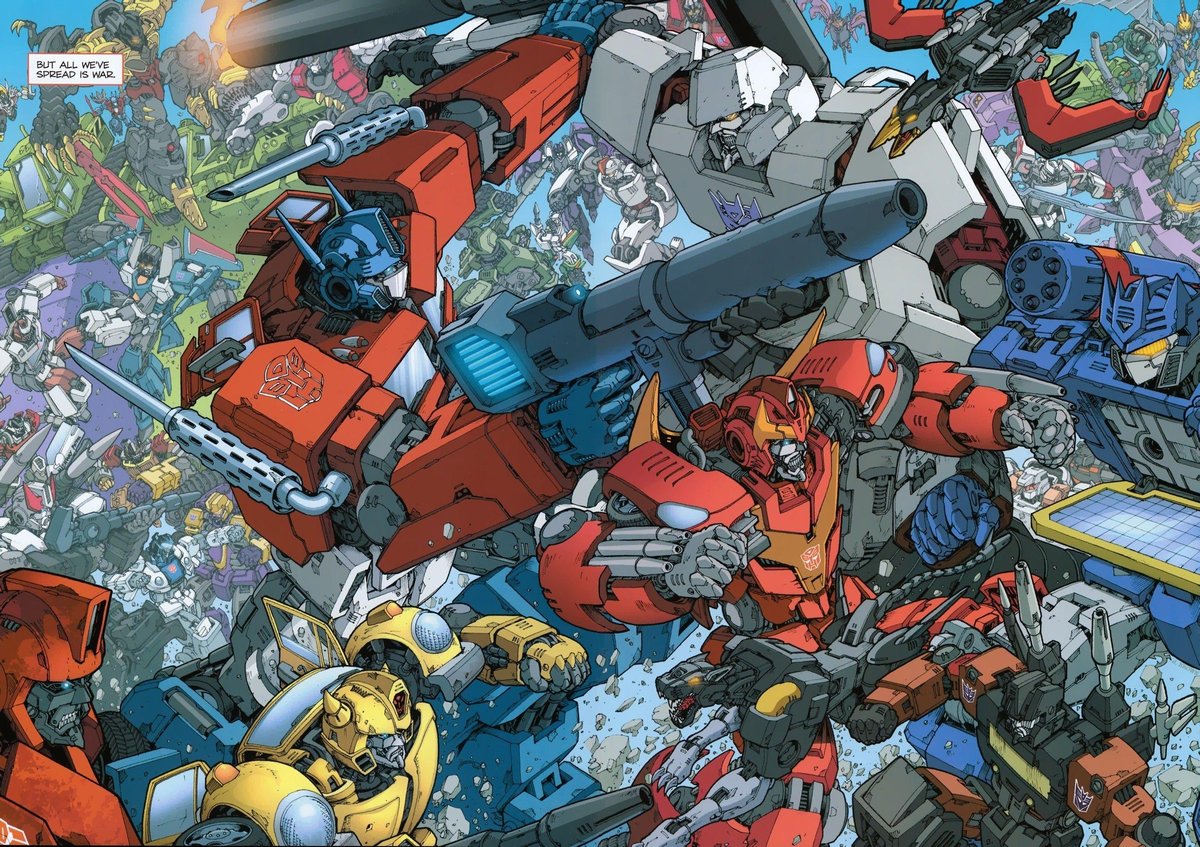
Remember the thrill of unwrapping Optimus Prime, the satisfying click as Megatron transformed, or the sheer joy of combining the Constructicons? For many of us, Generation 1 (G1) Transformers weren't just toys; they were portals to epic battles, moral quandaries, and the foundational stories that launched a global phenomenon. Today, these original figures from 1984 to 1990 aren't just relics of childhood; they're bona fide collectibles, and understanding G1 Transformers value and pricing is key to navigating this vibrant market.
Whether you’re dusting off a box from the attic, eyeing a potential purchase, or just curious about what your childhood heroes might be worth today, you've landed in the right place. We're going to dive deep into what drives the market for these iconic figures, ensuring you have the insider knowledge to make smart decisions.
At a Glance: Key Takeaways for G1 Transformers Value
- Condition is King: The biggest factor influencing price. Sealed (MISB/MOC) figures command the highest values.
- Completeness Matters: A loose figure with all its original accessories (weapons, instructions, tech specs) is worth significantly more than an incomplete one.
- Character Popularity & Rarity: Iconic characters like Optimus Prime, Megatron, and Soundwave often fetch high prices, but true rarity (e.g., obscure Japanese variants, mail-away exclusives) can push values even higher.
- Originals vs. Reissues: Vintage G1 figures (original 1980s releases) are distinct from modern reissues and carry much greater collector value due to their authenticity and historical significance.
- Market Data is Your Friend: Use real-time price guides (like Transformerland.com) to track actual sales data and understand current trends rather than relying on outdated price lists.
- Research is Crucial: Always verify a figure's authenticity, condition, and completeness before buying or selling.
The Enduring Appeal: Why G1 Transformers Command Such Prices
Before we dissect pricing, let's understand the bedrock of G1's enduring value. These weren't just any robots; they were the original shapeshifting heroes and villains, setting the stage for every iteration that followed. From their robust die-cast construction (especially in early figures) and vibrant sticker details to their captivating transformations, G1 figures captured imaginations like few toys before or since.
They introduced us to foundational concepts: Autobot cars, Decepticon jets, combiners like Devastator, and later innovations like Headmasters. Each figure was a miniature marvel of engineering, a tactile representation of the epic struggle between good and evil. This deep-seated nostalgia, combined with their historical significance, forms the emotional core of their collectibility. Add to that the fact that many of these figures feature unique aspects like rubber tires and chrome detailing that are less common in modern lines, and you start to see why collectors are willing to pay a premium. These figures also operate on their own vintage scale and aesthetic, making them a distinct and prized collection apart from contemporary lines.
Decoding G1 Transformers Value: The Critical Factors
When assessing the worth of a G1 Transformer, several key elements come into play. Missing any of these details can mean the difference between a prized collectible and a shelf-filler.
1. Condition, Condition, Condition: The Golden Rule
This cannot be stressed enough: a figure's condition is the single most significant determinant of its value. The difference in price between a factory-sealed figure and a well-loved loose one can be astronomical.
- Sealed (MISB/MOC): "Mint In Sealed Box" / "Mint On Card"
- What it means: The figure is still in its original packaging, untouched, unplayed with, and never removed. For carded figures (like smaller Autobot cars or mini-bots), this is "Mint On Card." For boxed figures, it's "Mint In Sealed Box."
- Value impact: This is the pinnacle of collectibility. Sealed figures fetch the highest prices, sometimes many multiples of a loose figure's value. Collectors pay for the pristine, "time capsule" experience and the assurance of absolute completeness. The condition of the packaging (creases, tears, sun fading) also plays a role here.
- Example: A sealed G1 Optimus Prime can sell for thousands, while a loose, complete one might be in the hundreds.
- Opened (CIB/C9/C8.5): "Complete In Box" / Graded Condition
- What it means: The figure has been removed from its packaging but is otherwise complete with all original accessories, instructions, tech specs, and the box itself. "C9" (Collector's Grade 9 out of 10) or "C8.5" are common grading terms for figures in excellent condition.
- Value impact: Still highly desirable. These figures represent the best of both worlds: they can be appreciated outside the box but retain all their original components. Prices will be lower than sealed, but still strong, especially for popular characters or rarer finds. The condition of the box and paperwork remains important.
- Example: An opened, complete G1 Megatron with a near-perfect box would command a high price, reflecting its careful preservation.
- Loose (Complete): "Loose, Complete With Accessories"
- What it means: The figure has no original packaging but is otherwise complete with all its weapons, launchers, missiles, paperwork, and any other accessories it originally came with.
- Value impact: This is where most casual collectors and players find their figures. Prices are good for popular characters, but the absence of packaging means a significant drop compared to CIB or sealed. Every missing accessory will further diminish the value.
- Example: A loose, complete G1 Soundwave with all his missiles and blaster is far more valuable than one missing those pieces.
- Loose (Incomplete) / Damaged:
- What it means: The figure is missing accessories, has significant play wear (paint chips, loose joints, broken tabs), or structural damage.
- Value impact: The lowest end of the spectrum. These figures are often bought for parts, custom projects, or by budget collectors who prioritize having the character over condition. Prices are significantly lower and often depend on the severity of the damage or how many key pieces are missing.
2. Completeness: Every Accessory Counts
For any figure that isn't sealed, completeness is the next hurdle. G1 Transformers came with a surprising array of small, easily lost parts: guns, swords, fists, missiles, launchers, instruction booklets, tech specs decoders, and even collector catalogs.
A "loose complete" figure (L/C) means it has everything it originally came with, excluding the packaging. Missing even a single small accessory, like a tiny hand or a specific weapon, can knock a substantial percentage off its value. Why? Because collectors looking for a complete figure will then need to source that missing piece, which can be difficult and costly.
3. Character Popularity & Rarity: The Icons and the Obscure Gems
Some characters are simply more beloved and recognizable than others.
- The Big Names: Optimus Prime, Megatron, Starscream, Soundwave, and Bumblebee are perennial favorites. Their iconic status ensures consistent demand and higher price ceilings, regardless of specific release.
- Combiners & Sub-Groups: Complete combiners (Devastator, Superion, Menasor) or full sets of Headmasters, Targetmasters, or Powermasters are highly sought after.
- True Rarity: This isn't just about popularity; it's about scarcity. Some figures had very limited production runs, were mail-away exclusives, or were only released in certain regions.
- Japanese Takara Variants: Many G1 figures were originally designed by Takara in Japan before being licensed to Hasbro for North American release. Japanese versions often feature subtle mold differences, different color schemes, or even additional accessories (e.g., metallic stickers, different chrome levels). These can be extremely rare and highly desirable for dedicated collectors, often commanding higher prices than their Hasbro counterparts.
- Exclusive Releases: Figures like Reflector (originally a mail-away offer) or specific gift sets can also be significantly rarer than standard retail releases.
4. Reissues vs. Originals: Knowing the Difference
This is a critical distinction that can trip up new collectors. TFSource, for instance, emphasizes that G1 vintage figures are original releases from the 1980s and early 1990s. Reissues, while using similar molds, are modern productions.
- Originals: These are the figures produced during the G1 era (1984-1990). They are the authentic pieces of history that hold the true collector value. They often feature die-cast parts, original sticker sheets, and specific packaging designs unique to their release year.
- Reissues: Over the years, Hasbro and Takara (or other companies) have re-released G1 molds. These reissues often come in different packaging, might have slight mold changes, updated safety features (e.g., blunt missiles), or different paint applications. While they offer a way to own the character, they do not hold the same collector value as the original vintage figures. Their prices are significantly lower, and confusing them with originals is a common mistake that can lead to overpaying.
Always check production stamps, packaging details, and material differences if you're unsure whether a figure is an original or a reissue.
How to Accurately Research G1 Transformers Value and Pricing
Navigating the market for G1 Transformers doesn't have to be a guessing game. The best way to get accurate pricing is to consult real-time sales data. Forget old price guides; the market constantly shifts.
Leveraging Online Price Guides (Like Transformerland.com)
Websites like Transformerland.com are invaluable resources because they provide up-to-date value history based on real sales data since 2003. This isn't someone's opinion; it's aggregated market activity.
- Search for Your Figure: Use the search bar on the site to find the specific G1 Transformer you're interested in.
- Navigate to the Price Chart: Once you've selected the figure, look for the "Price Chart" section. This is where the magic happens.
- Analyze Sales Data by Condition: Transformerland.com categorizes G1 figure prices by condition type:
- Sealed: Never removed from package.
- Opened: Toy removed but otherwise complete.
- Loose: No package, but figure complete with all accessories.
You can track price trends for individual figures across these varying conditions and observe how value changes.
- Examine Individual Sales: For enlarged views and specific sales details, click on the price chart. This lets you see what individual units actually sold for, offering crucial context.
- Browse and Discover: If you're just exploring, use the "Guides & Wiki" button to browse different G1 categories and discover figures. An "all-in-one price guide for all G1 Transformers (North American general release)" is often available as well, providing a quick overview.
Why Real-Time Data Matters: The price database on these sites is continuously expanded, reflecting new sales in real-time. This means you're seeing the pulse of the market, not a static snapshot. This approach empowers you to understand true market value and avoid overpaying or underselling.
Other Research Avenues:
- Completed Auction Listings: Check eBay's "Sold Listings" filter. This shows what items actually sold for, not just what sellers are asking. Pay close attention to condition, completeness, and seller reputation.
- Specialized Forums & Collector Groups: These communities are excellent for gaining insights, asking questions, and getting opinions on specific figures, especially rarer variants or complex conditions.
- Reputable Dealers: Dealers specializing in vintage Transformers (like TFSource, which offers authentic G1 figures including sealed, loose complete, and Japanese Takara variants) often have deep market knowledge. While their prices might be slightly higher to cover overhead and expertise, they also offer assurances of authenticity and quality.
Common Pitfalls to Avoid When Buying or Selling G1 Transformers
The vintage Transformers market is generally friendly, but like any collectible market, it has its traps.
1. Misjudging Condition
- Buyer Pitfall: Overpaying for a figure described as "excellent" when it has significant wear, loose joints, or sun-fading not clearly pictured. Always ask for more photos, especially of specific wear points, joints, and chrome.
- Seller Pitfall: Under-describing wear or damage, leading to buyer dissatisfaction and returns. Be meticulously honest in your descriptions and provide clear, well-lit photos from multiple angles.
2. Incomplete Figures Passing as Complete
- Buyer Pitfall: Assuming a loose figure is complete without cross-referencing its original accessories list. Always check what parts should be included and verify they are all present. Be wary of generic weapons or non-original parts.
- Seller Pitfall: Accidentally listing an incomplete figure as complete. Take the time to identify every accessory that came with the figure and verify its presence. Missing a single missile can change a figure's value.
3. Knock-Offs and Repros
- Buyer Pitfall: Some high-quality knock-offs (KOs) or figures with reproduction (repro) parts can be difficult to distinguish from originals, especially online. KOs are unauthorized copies, while repro parts are modern reproductions of original accessories. While repro parts can complete a figure, they reduce its "100% original" value. Always scrutinize seller feedback, ask for detailed photos of molding marks, and consult online guides that detail KO tells.
- Seller Pitfall: Accidentally selling a KO or a figure with repro parts as genuine. If you're unsure, disclose it! "May have repro parts" is better than a dispute.
4. Overpaying Due to Hype or Lack of Research
- Buyer Pitfall: Falling in love with a figure and buying it at the first asking price without checking recent sales data. Always consult a real-time price guide like Transformerland.com before committing.
- Seller Pitfall: Setting an unrealistic price based on a single, outlier sale, leading to the item languishing unsold. Realistic pricing based on average sales data will lead to quicker, more satisfactory sales.
5. Ignoring Packaging Condition (for CIB/MISB)
- Buyer Pitfall: For sealed or CIB figures, overlooking creases, tears, sun damage, or missing flaps on the box. These significantly impact the value of packaged figures.
- Seller Pitfall: Not accurately describing packaging flaws. Detail every ding, tear, or sticker residue on the box to manage buyer expectations.
Preserving Your G1 Collection: Maintaining and Enhancing Value
If you're investing in G1 Transformers, caring for them properly isn't just about sentimental attachment; it's about preserving their monetary value.
1. Proper Storage
- Avoid Sunlight: UV rays cause plastic to yellow (especially white plastics) and fade colors. Store figures away from windows and direct light.
- Control Temperature & Humidity: Extreme fluctuations can cause plastic to become brittle or warp. A stable, moderate environment is ideal. Avoid basements or attics prone to dampness or heat.
- Dust Protection: Loose figures should be stored in display cases, airtight containers, or clear plastic baggies (acid-free, if possible) to prevent dust accumulation and protect from environmental damage.
- Display Smartly: If displaying figures, ensure they are in stable poses to avoid stress on joints or transformation hinges. Don't leave them in complex, unstable transformations long-term.
- Boxed Figures: Store MISB/CIB figures in clear plastic protective cases (like those offered by specialized collectible suppliers) to prevent wear and tear on the packaging itself.
2. Handling with Care
- Gentle Transformations: Vintage plastic can be brittle. Handle figures gently, especially during transformation. Avoid forcing joints or snapping parts into place.
- Clean Hands: Always handle figures with clean hands to prevent transferring oils and dirt onto the plastic, which can degrade it over time.
- Minimal Play: If you want to maintain value, minimize actual "play" with vintage figures. They were designed as toys, but decades later, their plastic and mechanisms are more delicate.
3. Cleaning and Restoration (Proceed with Caution!)
- Dusting: Use soft brushes (like makeup brushes) or canned air to gently dust figures.
- Surface Cleaning: For surface dirt, a very mild soap solution (like diluted dish soap) and a soft, damp cloth can be used. Never submerge figures. Test on an inconspicuous area first.
- Sticker Care: Be extremely careful around original stickers. They are often fragile and easily damaged or peeled. Avoid getting them wet.
- Avoid Harsh Chemicals: Never use abrasive cleaners, solvents, or strong chemicals, as these can strip paint, damage plastic, or remove chrome.
- Professional Restoration: For significant damage (e.g., re-attaching broken parts), consider professional restoration. DIY attempts often cause more harm than good and can actually decrease value if not done expertly.
What's Next? Explore Transformers G1 toys
Now that you're equipped with a deeper understanding of G1 Transformers value and pricing, what's your next move? Perhaps you're ready to dive into the market, either to sell a few pieces or to hunt for that elusive missing figure from your childhood collection.
Start by assessing what you have. Go through your collection or those boxes in the attic. Document the condition of each figure, identify all accessories, and note any distinguishing features like country of origin or specific variants. Then, use online resources to research current market values, comparing your findings against real sales data for similar items in similar conditions.
Remember, the joy of G1 Transformers isn't just in their monetary value, but in the memories and history they represent. Whether you're a seasoned collector or just starting your journey, the world of G1 offers endless fascination. Happy hunting, and may your transformations always be smooth!