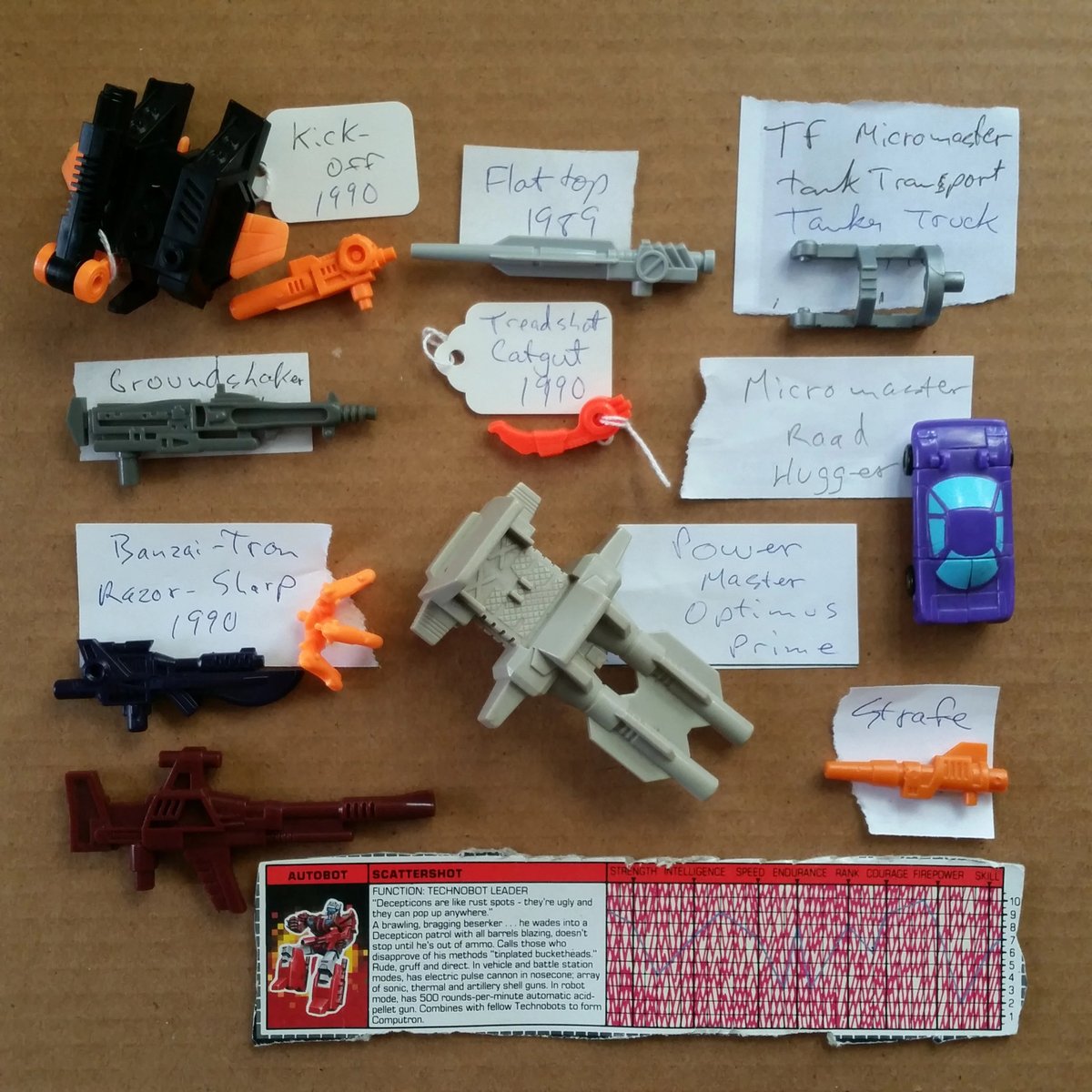
You’ve struck gold at a garage sale, inherited a dusty box from an older cousin, or simply rediscovered your own childhood collection. Among the plastic fragments, faded stickers, and half-transformed robots, there’s a distinct possibility you’ve unearthed a trove of G1 Transformers accessories and parts. But now what? The thrill quickly gives way to the daunting task of figuring out what belongs to whom, what’s missing, and how to complete those beloved Classic Transformers G1 toys. This guide is your Cybertronian compass, designed to help you navigate the intricate world of G1 parts, identify those elusive pieces, and source what you need to bring your Autobots and Decepticons back to their former glory.
Finding and identifying G1 Transformers accessories and parts isn't just about restoring plastic; it's about preserving a piece of pop culture history and completing the narrative of these iconic characters. Whether you're a seasoned collector or a nostalgic newcomer, understanding the ecosystem of G1 parts is crucial for success and satisfaction.
At a Glance: Your G1 Parts Mission Briefing
- Sort Smart: Begin by categorizing your loose parts into "Definitely Transformers," "Might be Transformers," and "Junk." Focus your efforts on the "might be" pile.
- Consult the Experts: Leverage authoritative books like Mark Bellomo's guides for detailed descriptions and crucial identification photos.
- Go Digital: Utilize online databases, fan wikis, and collector forums to cross-reference colors, shapes, and unique markings.
- Source Strategically: Explore dedicated G1 parts retailers, online marketplaces, and collector communities for both original and high-quality reproduction parts.
- Beware of Fakes: Learn to distinguish between authentic vintage parts and modern reproductions or knock-offs, especially when value is a concern.
- Clean and Preserve: Understand basic cleaning and storage techniques to protect your valuable acquisitions.
The Unboxing Dilemma: So You've Got a Pile of Plastic?
It’s a scenario familiar to many a collector, often recounted with a mix of excitement and trepidation: you return home with a box full of what looks like Transformers, only to find it's a tangled mess of limbs, weapons, and unidentifiable plastic bits. This initial "parts lot" mystery, as described by G1Universe.com, can feel like you’ve been handed a puzzle with a thousand missing pieces. Your first objective isn't to start assembling; it’s to systematically organize the chaos.
First Steps: Sorting Your Cybertronian Treasure Chest
Before you dive deep into identification, a strategic sort will save you hours of frustration. G1Universe offers a brilliant, straightforward method that’s proven effective:
- Pile 1: Clearly Transformers: These are the unmistakable arms, legs, torsos, or iconic weapons that you instantly recognize. Bag them up by series or even by potential character if you can.
- Pile 2: Parts That Might be Transformers: This is where the real detective work begins. Odd-shaped connectors, unpainted grey clips, unique weapon barrels, or small plastic accessories that aren't immediately identifiable. These are your primary focus for this guide.
- Pile 3: Clearly Junk or Non-Transformers: Bits of broken toys from other lines, random plastic debris, or non-toy items. Don't let these clutter your mind or workspace; into the recycling bin they go.
The "might be" pile is your biggest challenge, and often your biggest reward. With about a zillion little pieces scattered across the vast G1 Transformers Universe, it truly can seem daunting, but thankfully, you're not alone in this quest.
Decoding the Debris: Essential Identification Strategies
Once your piles are sorted, it’s time to equip yourself with the tools and knowledge to identify those mystery pieces. This process often combines old-school reference materials with modern digital resources.
The Go-To Authority: Mark Bellomo's Guides
For many seasoned collectors, the first line of defense against unidentified plastic is an actual book (remember those?). Mark Bellomo's "Transformers Identification and Price Guide" is consistently hailed as an indispensable resource. As G1Universe.com points out, Bellomo's guide provides:
- Excellent Descriptions: Detailed written accounts of each G1 toy produced from 1984-1990.
- Detailed Pictures: Crucially, it includes clear images of each transformer, along with all the accessories they originally came with. This visual dictionary is invaluable for matching loose parts.
Why it's essential: A good physical guide allows you to flip through pages, compare pieces directly, and get a comprehensive overview of a character's complete set of accessories. It's especially useful for identifying smaller, less distinct parts that might not have obvious markings.
A quick caveat: Bellomo's book focuses specifically on G1 Transformers. If you can't find your part there, it might still be a Transformer, but from a later generation like G2, Beast Wars, or Armada. Keep an open mind!
Online Detective Work: Digital Databases and Communities
While books are fantastic, the digital realm offers unparalleled search capabilities and a constantly evolving database of information. For those pieces not immediately identified by Bellomo’s guide, or when you need a quick verification, online resources are your best friend.
- TFWiki.net: This is often considered the definitive online encyclopedia for all things Transformers. Search by character, series, or even specific accessory names if you have a hunch. Its extensive image galleries, including clear shots of individual accessories, are incredibly helpful.
- Transformerland.com & G1Universe.com (Toy ID Section): These sites, and others like them, provide excellent resources for identifying toys and parts. G1Universe specifically suggests searching by color, vehicle type, or specific details. The ability to filter and browse by these attributes can narrow down your search considerably.
- Fan Forums and Facebook Groups: Websites like TFW2005.com’s forums or dedicated G1 Transformers Facebook groups are goldmines. Post clear pictures of your mystery parts, and within minutes, experienced collectors can often identify them. Be specific in your request and provide multiple angles.
- eBay's Completed Listings: Sometimes, seeing what similar "parts lots" or individual accessories have sold for can help you identify a piece by context. Sellers often list parts with character names.
How to make the most of online tools: - Be Descriptive: When searching, use keywords like "G1 Transformers weapon," "red jet accessory," "Optimus Prime gun," or "autobot trailer part."
- Use Visual Search: Some platforms and search engines allow you to upload an image to find similar items. This can be a lifesaver for truly baffling pieces.
- Cross-Reference: Never rely on just one source. If you identify a part, confirm it with at least two other reputable sources before making any decisions.
Once you have identified your mysterious pieces, visiting sites that display figures "in their full pre-parts junkyard glory" – as G1Universe aptly puts it – can confirm your findings and show you what a complete figure looks like. This is often the most satisfying part of the identification process!
Distinguishing G1 from the Rest: A Quick Primer
Given the sheer volume of Transformers lines, it's easy to confuse G1 parts with those from later eras. Here are some quick indicators for G1 identification:
- Material and Feel: G1 toys often have a heavier, more substantial feel due to die-cast metal components (especially earlier figures). The plastic tends to be harder, less flexible, and sometimes a bit brittle with age.
- Sticker Details: Many G1 figures relied heavily on paper stickers for faction symbols, detailing, and decorative elements, which often show wear, peeling, or fading. Later lines moved towards tampographs (painted decals).
- Articulation: G1 figures generally have more limited articulation compared to modern Transformers, often focusing on simple swivel joints at the shoulders and hips.
- Aesthetic: The design language of G1 is distinct – blockier, more angular, and directly inspired by real-world vehicles and machinery (or sci-fi alt modes with a clear 80s aesthetic).
- Copyright Stamps: Most G1 figures will have a stamped copyright, often on the inner leg, underside of a vehicle, or battery cover, typically stating "TAKARA CO. LTD. 198X" or "HASBRO 198X." This is a strong indicator, though not always present on tiny accessories.
Hunting for the Missing Link: Sourcing G1 Accessories and Parts
You've identified that elusive shoulder cannon for your G1 Megatron or the key to Vector Sigma. Now, where do you find it? Sourcing G1 parts requires a multi-pronged approach, exploring both dedicated retailers and the bustling secondary market.
The Primary Market: Dedicated Retailers
For convenience and reliability, specialized online retailers are often your best bet for finding specific G1 parts.
- TFSource.com: As highlighted in the context research, TFSource is a major player. They offer "a huge assortment of G1 Transformers... Everything from Optimus Prime to Fortress Maximus himself." Crucially, they have a dedicated "Parts and Accessories" section, which makes focused searching much easier. Their reputation for quality and clear descriptions can save you headaches.
- Other Specialized Online Stores: Beyond TFSource, numerous smaller, independent online stores cater specifically to vintage Transformers parts. A quick Google search for "G1 Transformers parts store" will yield results. These often include:
- Toyhax (formerly Reprolabels): While primarily known for reproduction stickers, they sometimes offer reproduction parts or can guide you to stores that do.
- Individual Collector Shops on Platforms like BigCartel or Etsy: Many passionate collectors open their own online storefronts to sell off their duplicates or carefully salvaged parts. These can be hidden gems.
Benefits of dedicated retailers: - Curated inventory, often pre-identified.
- Clear pricing.
- Often good customer service and return policies.
- Less risk of receiving fake or incorrect parts.
The Secondary Market: Auctions, Forums, and Fairs
The secondary market is where the thrill of the hunt truly comes alive. It can be more time-consuming, but often yields better deals or rarer finds.
- eBay: The undisputed king of online auctions.
- Search Strategies: Don't just search for "G1 parts." Be specific: "G1 Starscream Fists," "G1 Prowl Missile," "G1 Optimus Prime Roller." Use descriptive terms like "vintage," "original," "authentic."
- "Lots" and Bundles: Sometimes you can find a whole "G1 parts lot" where the seller hasn't identified everything. This is where your identification skills pay off – you might score a rare part cheaply.
- Seller Reputation: Always check seller feedback. Look for sellers specializing in vintage toys or Transformers.
- Beware of Mislabeling/Knock-offs: Due to the sheer volume, you might encounter incorrectly labeled items or unofficial reproductions disguised as originals. Scrutinize photos carefully.
- Collector Forums and Facebook Groups: These communities are fantastic for direct peer-to-peer sales and trading.
- "Wanted" Posts: Many forums have a "wanted" section where you can post specific parts you're looking for.
- Trading: If you have duplicate parts, you might be able to trade for what you need.
- Reputable Sellers: Within established communities, sellers often have a reputation to uphold, leading to more trustworthy transactions. Examples include TFW2005.com's "Junkion Exchange" section.
- Toy Conventions and Swap Meets: For the tactile experience, attending local or regional toy shows allows you to inspect parts in person, haggle prices, and connect with other collectors. You can sometimes find a vendor with boxes of loose parts ready for identification.
Reproduction vs. Original: A Critical Choice
As G1 toys age and parts become scarce, the market for reproduction (repro) parts has grown significantly. This presents collectors with a choice:
Original Parts:
- Pros: Authentic to the toy's release, retains full collector value, historical accuracy.
- Cons: Often expensive, can be difficult to find in good condition, may show signs of age/wear.
Reproduction Parts: - Pros: Much more affordable, readily available, often made with more durable modern plastics, perfect for completing a "display piece" without breaking the bank.
- Cons: Not original, can devalue a figure for purist collectors, sometimes the color match isn't 100% perfect, can be mistaken for originals if not clearly identified by the seller.
How to tell the difference (sometimes): - Material Feel: Repros sometimes feel lighter or have a slightly different texture than vintage plastic.
- Molding Quality: Original G1 parts often have sharper, cleaner molds. Repros can occasionally have minor flash or slightly softer edges, though modern repros can be very good.
- Color Match: While many repros are excellent, sometimes there are subtle differences in plastic color compared to the original, especially with specific shades of red, blue, or grey.
- Seller Honesty: The most reliable way is if the seller explicitly states it's a reproduction. Always ask if unsure.
- Small Details: Look for copyright markings (often absent on repros) or subtle mold variations if you have an original to compare.
For most collectors looking to enjoy their figures, high-quality repros are an excellent, cost-effective solution. If you're investing for maximum collector value, sticking to original parts is essential.
Beyond Identification: What to Do Once You Have the Parts
Congratulations, you've found that last vital accessory! Your mission isn't quite over. Now it's about integrating it, preserving it, and protecting your investment.
Restoration Best Practices: Cleaning and Minor Repair
Vintage plastic often carries decades of dust, grime, and sometimes even residual cigarette smoke. Proper cleaning is essential but must be done gently.
- Basic Cleaning:
- Materials: Mild dish soap (e.g., Dawn), warm water, soft toothbrush, cotton swabs, microfiber cloth.
- Process: Gently wash parts with soapy water. For stubborn grime, let them soak for a few minutes. Use a soft toothbrush for crevices. Rinse thoroughly with clean water.
- Drying: Air dry on a clean towel or blot gently with a microfiber cloth. Avoid harsh chemicals or abrasive cleaners, which can damage paint or plastic.
- Minor Repairs:
- Loose Joints: Sometimes a tiny drop of clear nail polish or Kiki's Fix Loose Joints solution can tighten a floppy limb. Apply sparingly, let it dry, and test.
- Minor Breaks: For clean breaks in non-stress areas, super glue (cyanoacrylate) can work, but use it very sparingly and carefully. It's often better to replace a broken part if possible, as glued repairs are fragile and devalue the piece.
- Sticker Application: If applying new repro stickers, clean the surface first, use tweezers for precise placement, and press firmly.
Display and Storage: Protecting Your Investment
Proper display and storage are crucial for preserving your G1 parts and figures for years to come.
- UV Protection: Sunlight (UV rays) is the enemy of vintage plastic, causing yellowing and fading. Display your figures away from direct sunlight or in a cabinet with UV-filtering glass.
- Dust Control: Dust can accumulate in crevices and scratch surfaces. Display cases with doors or sealed shelves are ideal. Regular, gentle dusting with a soft brush or microfiber cloth helps.
- Organizing Loose Accessories: Keep loose accessories in small, clear plastic baggies or compartmentalized storage boxes (like tackle boxes or craft organizers). Label them clearly with the figure they belong to. This prevents loss and makes future reassembly much easier.
- Avoid Extreme Temperatures: Store your collection in a climate-controlled environment. Extreme heat can warp plastic, while extreme cold can make it brittle.
The Value Proposition: Original vs. Repro and Condition
Understanding the value of G1 parts is a nuanced topic, heavily influenced by originality and condition.
- Originality Reigns for Value: For high-value figures and serious collectors, original factory-issued parts are paramount. A complete-in-box (CIB) figure with all original accessories will always command the highest price. Even a loose figure with all its original weapons and parts will fetch significantly more than one missing accessories or using reproductions.
- Condition is King: The condition of the part itself is critical. A pristine, unyellowed, unbroken weapon will be worth far more than a chipped, faded, or repaired one, even if both are original.
- Repro Parts and Value: While reproductions are fantastic for completing your personal collection, they generally do not add significant monetary value to a figure for resale purposes. Be transparent about using repros if you ever sell.
- Rarity: Some accessories are inherently rarer than others. Small, easily lost pieces (like Reflector's camera lens or the tiny head of Micromaster partners) can command surprisingly high prices due to scarcity. Larger, more robust pieces, though essential, might be easier to find.
Common Pitfalls and Pro Tips for G1 Parts Collectors
Navigating the G1 parts landscape has its traps. Here’s how to avoid them and collect smarter.
Beware of Knock-offs and Customs
The popularity of G1 has led to a rise in unofficial products.
- Modern Knock-offs (KOs): These are unauthorized copies, often from third-party manufacturers, made to look like original G1 toys or parts. While some KOs are obvious, others can be very convincing. They typically have lower quality plastic, looser joints, or imperfect color matches.
- Customs: These are fan-made creations or modifications. While often creative, they are not official parts.
Pro Tip: Always buy from reputable sellers, especially for high-value items. If a deal seems too good to be true, it probably is. Familiarize yourself with common KO tells by researching online forums.
Know Your Transformer: Research is Key
The G1 line has numerous variations across different release years and international markets (e.g., Japanese vs. US releases). An accessory for a US Optimus Prime might differ slightly from a Japanese Convoy.
Pro Tip: Before committing to a purchase, double-check that the part you're buying is specifically for the version of the transformer you own. Use TFWiki.net to research specific toy versions and their unique accessories.
Patience is a Virtue (and Saves Money)
Finding the exact G1 part you need in perfect condition at a fair price often requires patience.
Pro Tip: Don't rush into an overpriced purchase unless it's an absolute grail item you've been chasing for years. Set up search alerts on eBay, regularly check dedicated parts stores, and engage with collector communities. The right part will eventually surface. You might even find a "parts lot" that contains what you need, allowing you to recoup some costs by selling off the other pieces.
Frequently Asked Questions About G1 Parts
Collectors often have similar questions when diving into the world of G1 accessories. Here are some quick answers:
Are reproduction G1 parts worth buying?
Absolutely, especially if your goal is to complete a figure for display or personal enjoyment without breaking the bank. They are a cost-effective way to fill gaps, but they won't increase the monetary value of an original figure for resale.
How do I clean old G1 parts without damaging them?
Use mild dish soap, warm water, and a soft cloth or toothbrush. Avoid harsh chemicals, abrasive cleaners, or excessively hot water. Rinse thoroughly and air dry.
What's the best way to store loose accessories?
Small, clear plastic baggies labeled with the figure's name, stored in compartmentalized bins (like tackle boxes or craft organizers), are ideal for preventing loss and easy retrieval.
How much should I expect to pay for a specific G1 accessory?
Prices vary wildly based on rarity, demand, condition, and whether it's an original or reproduction. A small, common gun might be a few dollars, while a rare, complex accessory for a high-tier figure could be hundreds. Always check eBay's completed listings and reputable parts sellers for current market rates.
Your Next Mission: Assembling Your G1 Legacy
The journey of collecting G1 Transformers accessories and parts is a rewarding one. It’s a blend of historical research, digital detective work, and the thrill of the hunt. Each identified part, each completed figure, adds another layer to your personal collection and connects you to the rich legacy of these iconic robots in disguise.
Don't let a pile of unidentified plastic intimidate you. Arm yourself with the knowledge and resources outlined here, and you'll soon be transforming those fragmented memories into fully realized masterpieces. Whether you're restoring a beloved childhood toy or building a pristine display, the satisfaction of completing a Classic Transformers G1 toy with all its original (or high-quality reproduction) accessories is truly unmatched. Happy hunting, and may your shelves be ever complete!