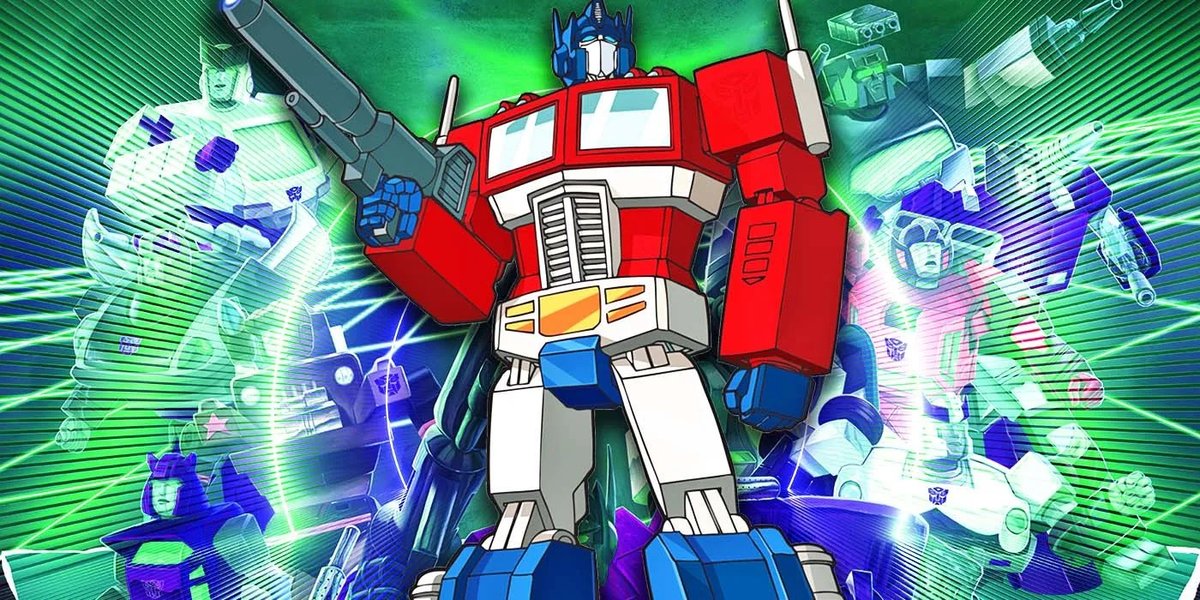
Ask any child of the 80s about their favorite toys, and chances are, the name "Transformers" will ignite a spark of pure nostalgia. These aren't just plastic robots; they're time machines, instantly transporting you back to Saturday morning cartoons and epic bedroom battles. For many, collecting G1 Transformers isn't just a hobby; it’s a journey back to childhood, a quest for a piece of that original magic.
But what does it really mean to collect these iconic robot toys today? Whether you're a seasoned veteran looking to fill a gap in your collection or a curious newcomer drawn by the allure of Optimus Prime and Megatron in their original glory, stepping into the world of Generation One (G1) Transformers collecting is an adventure. It’s a pursuit filled with thrilling finds, careful decisions, and a vibrant community.
At a Glance: Your Quick Guide to G1 Transformers Collecting
- What is G1? The original Transformers toyline from 1984-1990 (US), establishing the universe and classic characters.
- Why Collect G1? Nostalgia, historical significance, potential investment value, and the joy of owning pop culture icons.
- Vintage vs. Reissues: Vintage means original 80s releases, often expensive and rare. Reissues are official, modern reproductions using original molds, offering affordability and playability.
- Key Factors for Vintage: Condition (packaging, paint, chrome, stickers), completeness (accessories), and rarity heavily impact value.
- Where to Buy: Online marketplaces (eBay, specialized forums), conventions, local comic/toy stores.
- Beware of Fakes: Learn to identify knock-offs and reproduction parts; authenticity is key for serious collectors.
- Care is Crucial: Proper storage and handling preserve value and prevent common issues like yellowing or brittle plastic.
Why Dive into G1 Transformers Collecting Now?
The appeal of the original Transformers goes far beyond simple sentimentality. For many, it's about connecting with a foundational piece of pop culture history. These toys didn't just sell well; they defined a generation's understanding of heroism, conflict, and the incredible power of imagination.
The first series of Transformers, known as Generation One or "The Transformers," burst onto the scene in the U.S. in 1984, laying the groundwork for a universe that still captivates millions. Running until 1990 in the U.S., and longer in other regions like Europe and Japan, G1 introduced us to the Autobots, the Decepticons, and unforgettable characters like Optimus Prime, Megatron, Bumblebee, and Starscream. Collecting these figures today is a way to own a tangible piece of that legacy.
Beyond the sheer joy of ownership, some collectors also see G1 Transformers as a potential investment. Rare, well-preserved figures, especially those still sealed in their original packaging, have steadily appreciated in value over the years. However, most collectors are driven by the thrill of the hunt, the satisfaction of completing a set, or simply the desire to relive cherished childhood memories with figures that were once treasured possessions.
Understanding the "Generations" of G1: What Are You Actually Collecting?
Before you start hunting, it’s vital to understand the different phases of the G1 toyline. The line wasn't static; it evolved significantly over its run, introducing new concepts, designs, and play patterns. This evolution impacts availability, value, and what you might be looking for.
The Genesis: Early G1 (1984-1985)
The very first G1 Transformers weren't originally designed to be Transformers at all. Hasbro licensed existing toy molds, primarily from Japanese companies like Takara (from their Diaclone and Microchange lines), but also from Bandai (Macross) and Takatoku (Dorvack and Beetras). This means many early figures transform into recognizable real-world vehicles like sports cars, jets, and even cassette players.
These early figures often feature robust construction and relatively simple transformations. A hallmark of this era, introduced by Hasbro for authenticity, was the "rubsign"—a black and silver square sticker that, when warmed by friction, revealed the faction insignia (Autobot or Decepticon). For many enthusiasts, these classic G1 Transformers figures from the very beginning represent the purest form of the line.
Expanding the Universe: Mid-G1 (1986-1987)
By 1986, Hasbro began introducing more original designs, moving beyond just repurposed Japanese molds. A major theme of this period was the introduction of "combiners"—teams of smaller Transformers that could merge to form a much larger robot. Think of the mighty Devastator or Menasor. This innovation accounted for nearly half of the new releases that year, offering a new dimension of play and collecting.
This era also saw the line experiment with more futuristic or sci-fi alternate modes, moving away from strict real-world vehicle realism.
The Gimmick Era: Late G1 (Post-1987)
As the line progressed, toy designs increasingly focused on introducing new gimmicks to keep things fresh. You saw figures with smaller "partner" figures that could become heads (Headmasters), weapons (Targetmasters), or engines (Powermasters). Other lines, like the Pretenders, featured robots disguised within non-transforming monster or human "shells."
In the late 1980s, facing slowing U.S. sales, the line began to downsize, offering smaller, more affordable figures. This led to the introduction of Micromasters—teams of four or six tiny figures. Larger toys in this period often came with a Micromaster and a base or playset. The final U.S. subgroup, Action Masters, took a significant departure: these were non-transforming action figures of popular characters, often accompanied by transforming weapons or vehicles. The G1 series officially concluded in the United States at the end of 1990 due to declining sales.
The Modern G1: Reissues
It's crucial to distinguish between original G1 figures and G1 Reissues. G1 Reissues are official Hasbro (or Takara in Japan) rereleases that bring back the original 1980s Transformers figures. These aren't new designs; they are faithfully recreated from the original molds, often featuring retro-style packaging with original G1 logos and character art. They retain the vintage transformation mechanics, classic accessories, and character-accurate stickers.
While some reissues might have slight deco updates, color variations, or minor manufacturing tweaks (often for modern safety standards), the core G1 design remains intact. They typically reflect the original G1 scale classes (Minibots, Deluxe, larger figures).
Vintage G1 vs. G1 Reissues: Which Path is Right for You?
This is often the first major decision for any aspiring G1 collector. Both options offer a connection to the original Transformers, but they cater to different collector priorities.
| Feature | Vintage G1 Figures (Original 1980s Releases) | G1 Reissues (Official Rereleases) |
|---|---|---|
| Authenticity | The genuine article, historical artifact. | Authentic molds, but modern production. |
| Condition | Highly variable, prone to wear, plastic degradation. | Generally pristine, fresh out of the box. |
| Cost | Often very expensive, especially MIB/MISB. | Much more affordable and accessible. |
| Availability | Rare finds, requires diligent hunting. | Readily available from retailers or secondary market. |
| Playability | Can be fragile; careful handling advised. | Designed for play, robust for handling. |
| Display Value | High prestige, impressive "trophy" pieces. | Excellent for display, less worry about damage. |
| Investment Potential | Significant, especially graded or sealed items. | Minimal; primarily for enjoyment. |
| Packaging | Original 80s packaging (wear & tear likely). | Retro-style packaging, often pristine. |
| Choose Vintage G1 if you: |
- Are a purist seeking the exact figures from your childhood.
- Are interested in the historical significance and rarity.
- View your collection as a potential investment.
- Enjoy the challenge and thrill of the hunt for rare items.
Choose G1 Reissues if you: - Want to experience the original G1 designs without the vintage price tag.
- Plan to open and handle your figures, perhaps for display or light play.
- Are looking to easily acquire a wide range of G1 characters.
- Value pristine, factory-fresh condition.
- Want to complete your childhood collection's "look" without breaking the bank.
Many collectors pursue a hybrid approach, opting for vintage examples of their absolute favorite characters or super-rare items, while filling out their displays with more affordable reissues.
Navigating the Hunt: Where to Find G1 Transformers
The hunt for G1 Transformers can be as rewarding as the figures themselves. Knowing where to look—and what to expect—is key.
Online Marketplaces
- eBay: The largest and most obvious starting point. You'll find everything from beat-up loose figures to graded, sealed masterpieces. Be prepared for bidding wars and always scrutinize seller feedback and item descriptions. Pay close attention to shipping costs and return policies.
- Dedicated Collector Forums and Facebook Groups: These communities are invaluable. Sites like TFW2005, Cybertron.ca, and various Facebook groups (e.g., "Transformers G1 Collectors," "Vintage Transformers Buy/Sell/Trade") often have classified sections where collectors sell directly to each other. Prices can be more reasonable, and the community aspect adds a layer of trust. You can also ask for specific photos or details directly from sellers.
- Specialty Online Stores: Several online retailers focus exclusively on vintage toys and collectibles, including G1 Transformers. These stores often pre-screen items for authenticity and offer a more curated shopping experience, though prices might be higher to reflect this service.
For more detailed strategies on where to buy, you might want to explore the best online marketplaces for vintage toys that cater to this specific niche.
Physical Locations
- Local Comic Book and Toy Stores: Many independent shops have a vintage section. While stock can be unpredictable, you might stumble upon a hidden gem, and you get the benefit of inspecting the figure in person.
- Toy Shows and Conventions: Events like BotCon (historically significant, though no longer running in its original form), TFCon, or general comic conventions often have vendor halls filled with vintage toy dealers. This is an excellent opportunity to network with other collectors, compare prices, and examine figures firsthand.
- Antique Malls and Flea Markets: These can be hit-or-miss, but the thrill of finding a rare G1 figure among unrelated junk is unparalleled. Prices can vary wildly, from incredible bargains to overpriced common figures. Patience is essential here.
- Estate Sales and Garage Sales: Another long-shot, but potentially highly rewarding, avenue. People clearing out attics or basements might not know the true value of what they have.
No matter where you're looking, thorough research is your best friend. Know your desired figure's common issues, accessories, and typical market value before you buy.
Decoding Condition: What to Look For (and Look Out For)
Condition is paramount when collecting vintage G1 Transformers, directly influencing both value and desirability. A figure's condition can range from "junk" to "mint-in-sealed-box" (MISB), with many nuanced stages in between.
Key Condition Terminologies
- MISB (Mint In Sealed Box): The holy grail for many collectors. The figure is still in its original, factory-sealed packaging. This typically commands the highest prices.
- MOC (Mint On Card): Similar to MISB but for figures sold on blister cards (common for Minibots).
- MIB (Mint In Box): The figure is in excellent, possibly never-played-with condition, but the box has been opened. All accessories should be present.
- CIB (Complete In Box): The figure is present, comes with all its original accessories, and includes the box, instructions, and paperwork. Condition of the figure itself can vary.
- Loose: The figure is out of its packaging. Its completeness is then described:
- CGL (Complete, Guide, Loose): Complete with all accessories, instructions, but no box.
- Loose, Complete: All original accessories are present.
- Loose, Incomplete: Missing one or more original accessories.
What to Scrutinize on a Figure
- Stickers: Are they applied? Are they peeling, torn, or faded? Are any missing? Replacement sticker sets are available, but original, well-applied stickers add significant value.
- Chrome: Many G1 figures feature chromed parts (e.g., Optimus Prime's grill, Jazz's chest). Check for wear, flaking, or tarnishing. This is a common point of degradation.
- Paint Application: Look for chips, rubs, or fading, especially on edges and raised details. Early G1 figures were hand-painted in some spots, leading to minor variations.
- Joints and Articulation: Are the joints tight or loose? Does the figure hold a pose? Loose joints can indicate heavy playwear or plastic fatigue.
- Accessories: Are all original weapons, fists, missiles, and other parts present? Small accessories are easily lost and can be expensive to replace. Check for stress marks or breaks.
- Plastic Degradation:
- Yellowing: White plastic, particularly common on figures like Optimus Prime's trailer or parts of Jetfire, can yellow over time due to UV exposure and plastic composition. This is a significant detractor for many collectors.
- Brittle Plastic: Some figures, especially those with clear plastic or specific types of grey plastic, can become brittle over decades, leading to cracks or breaks, particularly in transformation joints.
- Rubsign: If present, is it intact? Does it still reveal the allegiance when warmed? A missing or heavily scratched rubsign reduces value.
Packaging Condition
For boxed or carded figures, the condition of the packaging itself is paramount. Look for:
- Creases, Tears, Dents: Especially on cardboard.
- Fading: Due to sun exposure.
- Water Damage/Mold: A major red flag.
- Tape/Stickers: Are they original factory tape or aftermarket reseals?
- Card Backs: For MOC figures, look for warping, bends, or bubbling of the blister.
Professional Grading Services
For high-value, rare, or investment-grade figures, professional grading services like AFA (Action Figure Authority) or CGA (Collector's Grading Authority) can be invaluable. They encapsulate figures in tamper-proof, display-friendly cases and assign a numerical grade (e.g., AFA 85 NM+) based on a stringent assessment of the figure, accessories, and packaging. This offers an objective measure of condition and helps authenticate the item.
Deciding whether to get a figure graded depends on its inherent value, your budget, and your collecting goals. For a deeper dive, consider exploring resources on understanding professional grading services for collectibles.
The Threat of Fakes and Reproductions
As the value of vintage G1 Transformers has soared, so has the prevalence of fakes, knock-offs (KOs), and reproduction (repro) parts. Learning to spot these is a critical skill for any serious collector.
Understanding the Types of Non-Authentic Items
- Knock-Offs (KOs): These are unauthorized copies of original G1 figures, ranging from terrible quality bootlegs to surprisingly convincing replicas. They are often made with cheaper plastic, inferior paint, and poor quality control.
- Reproduction (Repro) Parts: These are newly manufactured parts (weapons, fists, accessories) designed to replace missing pieces on original figures. While useful for completing a loose figure for display, a figure marketed as "complete" that includes repro parts is not as valuable as one with all original accessories.
- Customs/Kitbashes: While often artistic, these are figures modified or built from various parts, not original factory releases.
Key Tells to Spot Fakes and Repro Parts
- Plastic Quality and Color: KOs often use cheaper, lighter plastic that feels different. Colors might be slightly off compared to original figures, or look too shiny/matte. Original G1 plastic generally has a distinct weight and feel.
- Paint Application: Originals usually have crisp, clean paint lines. KOs might show overspray, splotches, or uneven application.
- Screw Types: Many vintage G1 figures use specific types of screws (e.g., Phillips head, sometimes with a distinctive threading). KOs might use different screw types or cheaper alternatives.
- Copyright Stamps: Original G1 figures usually have copyright stamps from Hasbro and/or Takara, indicating the year and country of manufacture (e.g., "©HASBRO 1984 MADE IN JAPAN"). KOs might have garbled, missing, or incorrect stamps.
- Rubsigns: Fake rubsigns exist. Compare the texture, reflectivity, and heat-reveal pattern to known authentic examples. Some KOs omit the rubsign entirely.
- Box/Card Back Details: Examine the packaging closely. KOs often have blurry printing, incorrect fonts, or slight color shifts in the artwork. Instructions might be poorly translated or printed on lower-quality paper.
- Transformation Gaps/Tightness: KOs often have looser joints, ill-fitting parts, or struggle to transform smoothly due to poor mold quality.
- Weight: Genuine G1 figures often have a reassuring heft due to the quality of their plastic and internal metal components (where present). KOs can feel noticeably lighter.
Protecting Yourself
- Buy from Reputable Sellers: This is your strongest defense. Look for sellers with high feedback scores and a history of selling vintage Transformers.
- Ask for Detailed Photos: Request clear, high-resolution images from all angles, focusing on areas like copyright stamps, rubsigns, and specific details you know to be vulnerable to fakes. Don't be shy about asking for photos of the plastic under specific lighting.
- Educate Yourself: Research common tells for the specific figure you're looking for. Online resources and collector forums are excellent for this.
- Compare with Known Originals: If possible, compare photos of the item with a confirmed original figure.
- Be Wary of "Too Good to Be True" Deals: If a rare, mint-condition figure is listed for an impossibly low price, it’s a major red flag.
For more in-depth knowledge on this critical topic, make sure to read up on how to identify fake vintage Transformers to safeguard your collection.
Essential Gear for the G1 Collector
Beyond the figures themselves, a few key tools and supplies will help you maintain, display, and protect your precious G1 collection.
- Display Cases: UV-protective display cases are excellent for keeping figures dust-free and safe from harmful sunlight, which can cause yellowing and fading. Acrylic risers can help you create dynamic displays.
- Archival Bags and Boxes: For figures you're not displaying, archival-quality bags (acid-free polypropylene) and sturdy, acid-free storage boxes help protect against dust, moisture, and environmental degradation. Store accessories separately in small, labeled bags.
- Microfiber Cloths and Soft Brushes: For gentle cleaning. Avoid harsh chemicals or abrasive materials that can damage paint or plastic.
- Plastic Repair Kit: For minor fixes, a high-quality plastic cement (like Testors plastic cement) or a super glue with a precision applicator can be useful for reattaching small broken tabs or parts. Always test on an inconspicuous area first.
- Reproduction Sticker Sets: If you have figures with missing or damaged stickers, numerous online vendors offer high-quality reproduction sticker sheets that can make your figures look factory fresh.
- "Restoration" Supplies: For yellowed plastic, some collectors use "Retrobright" or similar hydrogen peroxide-based solutions, often combined with UV light. Caution: This process carries risks of uneven results or damaging the plastic if not done correctly. Research thoroughly before attempting.
- Digital Camera/Smartphone: For documenting your collection, tracking condition, and taking detailed photos when buying or selling.
- Collector's Database/Spreadsheet: To keep track of what you own, its condition, value, and any missing parts.
Knowing how to properly care for your collectible Transformers ensures they remain valuable and beautiful for years to come.
Budgeting Your Bots: Realistic Expectations for G1 Prices
The price of a G1 Transformer can range from a few dollars for a well-loved loose Minibot to tens of thousands for a rare, factory-sealed grail piece. Understanding the factors that influence price will help you set a realistic budget and avoid overpaying.
Key Factors Influencing Price
- Rarity: Some figures were produced in smaller quantities, or were exclusive releases (e.g., mail-aways, store exclusives), making them inherently harder to find and thus more expensive.
- Condition: As discussed, condition is king. A MISB Optimus Prime will be exponentially more valuable than a loose, incomplete one with yellowing plastic and chrome wear.
- Completeness: Figures with all original accessories, instructions, and packaging command higher prices. Each missing piece typically lowers the value.
- Character Popularity: Iconic characters like Optimus Prime, Megatron, Starscream, and Soundwave generally fetch higher prices than lesser-known figures, even if their rarity is comparable. Demand drives price.
- Demand/Market Trends: The collector market fluctuates. Sometimes certain subgroups or characters experience a surge in popularity, driving up prices.
- Version/Variant: Some G1 figures have minor variations (e.g., "red feet" Optimus Prime, different rubsign placements). Rare variants can command a premium.
- Original Retailer Exclusivity (e.g., Sears, JCPenney): Certain gift sets or exclusive figures sold through specific retailers in the 80s can be incredibly rare and desirable.
Examples of Price Tiers (Very General)
- Entry-Level (Under $50): Loose, incomplete common Minibots (e.g., Bumblebee, Cliffjumper), or heavily played-with common Deluxe figures (e.g., Jazz, Prowl) in fair condition. Also, many G1 Reissues fall into this range.
- Mid-Range ($50 - $300): Loose, complete popular Deluxe figures in good condition. Some boxed, complete common figures. Combiner limbs or smaller combiners.
- Upper-Tier ($300 - $1000+): Boxed, complete rare figures (e.g., Jetfire, Shockwave), some smaller MISB figures, or excellent condition larger combiners (e.g., Devastator, Predaking).
- Grail/Investment Tier ($1000+ to $10,000s): MISB popular figures, graded high-condition items, extremely rare mail-away figures (e.g., Punch/Counterpunch), or larger playsets (e.g., Fortress Maximus).
When to Splurge, When to Hold Back: - Splurge on items that truly speak to your passion, are in exceptional condition for their rarity, or fill a significant gap in your collection. If it's a graded piece, understand the grading scale.
- Hold Back on impulse buys. Always research. Don't buy an expensive figure if you have doubts about its authenticity or condition. If you're new to collecting, avoid the super high-end items until you've gained experience.
Common Questions from Aspiring G1 Collectors
It's natural to have questions as you navigate this rich hobby. Here are some common ones:
"What's the difference between G1 and G2?"
G1 refers to the original Transformers toyline and associated media from 1984-1990 (US). G2 (Generation Two) was a relaunch of the Transformers brand by Hasbro in the early-to-mid 1990s. G2 often featured repaints of classic G1 molds with brighter, more neon colors, new faction symbols, and sometimes sound effects or projectile launchers. While it used many G1 designs, G2 had its own distinct aesthetic and narrative, often seen as a bridge between G1 and later lines like Beast Wars.
"Are G1 Reissues good for investment?"
Generally, no. G1 Reissues are primarily intended for display, play, and nostalgia, not as financial investments. Because they are mass-produced in modern times, their supply is far greater than original vintage figures, limiting their appreciation in value. While some specific reissues (like convention exclusives or very limited runs) might see a modest increase, they won't match the investment potential of rare, original G1 figures.
"Should I open my vintage G1 figures?"
This is a personal decision with significant financial implications. If a vintage G1 figure is MISB (Mint In Sealed Box), its value is dramatically higher than an opened figure, even if the figure inside is pristine. Opening an MISB figure immediately diminishes its monetary value to that of a MIB or CIB figure.
- If your primary goal is investment or preserving maximum value: Do NOT open MISB/MOC vintage figures. Display them in their sealed packaging.
- If your primary goal is to enjoy the toy, transform it, and display it out of box: Then open it. Just understand the financial trade-off. For this purpose, G1 Reissues are often the better choice, as you can open and enjoy them without the same financial depreciation worries.
Your First Steps into the G1 Universe
Collecting G1 Transformers is a wonderfully rewarding hobby that connects you with a cherished piece of pop culture history. It's a journey, not a sprint, so embrace the process.
- Start Small, Start Smart: Don't feel pressured to buy the most expensive or rarest figures right away. Begin with a few characters you truly love, perhaps a Minibot or a common Deluxe figure in loose, complete condition. This allows you to learn the ropes of buying, inspecting, and caring for figures without a huge financial commitment.
- Research, Research, Research: Before every purchase, take the time to learn about the specific figure. What are its common flaws? What accessories does it come with? What's a fair market price for its condition?
- Connect with the Community: Join online forums, Facebook groups, or local collector clubs. The G1 Transformers community is passionate and often willing to share knowledge, tips, and even sales opportunities. You'll learn immensely from experienced collectors.
- Define Your Collecting Goals: Are you aiming for a complete run? Just your favorite characters? Loose figures for display, or sealed boxes for investment? Having clear goals will help you focus your efforts and budget.
- Have Fun! Ultimately, collecting is about enjoyment. Relish the nostalgia, the thrill of the hunt, and the satisfaction of building a collection that brings you joy.
Whether you're carefully curating a display of pristine vintage examples or simply reliving childhood memories with a handful of beloved robots, collecting G1 Transformers offers a unique and satisfying connection to a timeless saga. So go forth, collector—the universe of Generation One awaits!